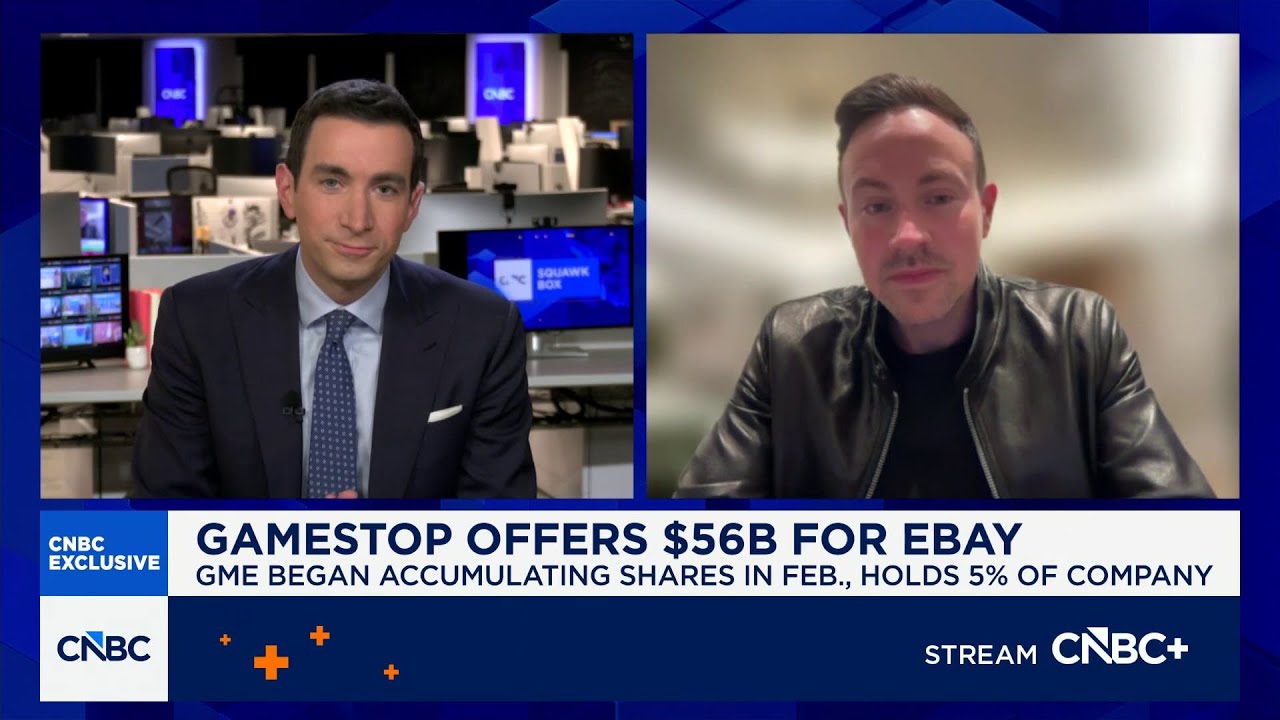
In one of the more surreal corporate stories of 2026, GameStop – yes, the mall video game retailer – attempted to buy eBay for $56 billion. eBay told it to get lost. Here is how we got here.
The Bid Nobody Saw Coming
In early May, GameStop CEO Ryan Cohen announced that the company had made an unsolicited, nonbinding offer to acquire all of eBay’s common stock at $125 per share. The total deal was valued at approximately $55.5 billion – roughly four times GameStop’s own market capitalisation at the time. The offer comprised 50% cash and 50% GameStop common stock, with a $20 billion financing commitment from TD Bank backing the cash portion, along with GameStop’s roughly $9 billion in cash reserves.
Cohen’s stated vision was to combine the two companies into what he called a “legitimate competitor” to Amazon – merging GameStop’s retail presence and brand recognition with eBay’s established e-commerce marketplace infrastructure. GameStop’s plan reportedly included cutting $2 billion in annualized costs within the first 12 months of a combined operation, split across sales and marketing, product development, and general administration.
eBay Was Not Impressed
eBay’s board reviewed the proposal and replied with a verdict that left little room for interpretation. Board chairman Paul Pressler stated in a letter that after thorough review with independent advisors, the offer had been rejected as “neither credible nor attractive.” The board was unconvinced by the financing structure and skeptical that Cohen’s vision for the combined company was achievable.
Ratings agency Moody’s backed up that skepticism, warning that the deal would be “credit negative” for eBay. Moody’s estimated that the leverage for a combined company could approach nine times debt-to-EBITDA before any cost savings materialised – a level that most lenders and analysts would consider uncomfortably high.
The Market Did Not Buy It Either
Traders on prediction markets platform Kalshi gave GameStop just a 26% chance of completing the acquisition in 2026. After Cohen appeared on CNBC to defend the deal – arguing the financing was real and the strategic logic was sound – GameStop’s own stock fell, reflecting investor skepticism about whether the company should be spending its cash reserves on a takeover attempt rather than returning value to shareholders or reinvesting in its core business.
The core financing problem is hard to ignore. The $20 billion TD Bank commitment plus $9 billion in GameStop cash gets you to roughly $29 billion. The deal is priced at $55.5 billion. That is a significant gap, even before accounting for acquisition costs, integration expenses, or the debt service on whatever additional financing Cohen would need to secure.
What Happens Now
Despite the rejection, GameStop has continued filing SEC documents related to the proposed acquisition, and Cohen has shown no public signs of walking away from the effort. Whether this escalates into a formal hostile takeover attempt – with a direct shareholder appeal – or quietly fades away remains unclear. Both companies have made their positions plain through regulatory filings, which are available via the GameStop SEC filing page and the eBay SEC filing page.
Whatever happens next, it is already one of the stranger stories in tech and gaming business history – a video game retailer attempting a hostile acquisition of one of the original titans of internet commerce, armed with a bank letter and an enormous amount of confidence.