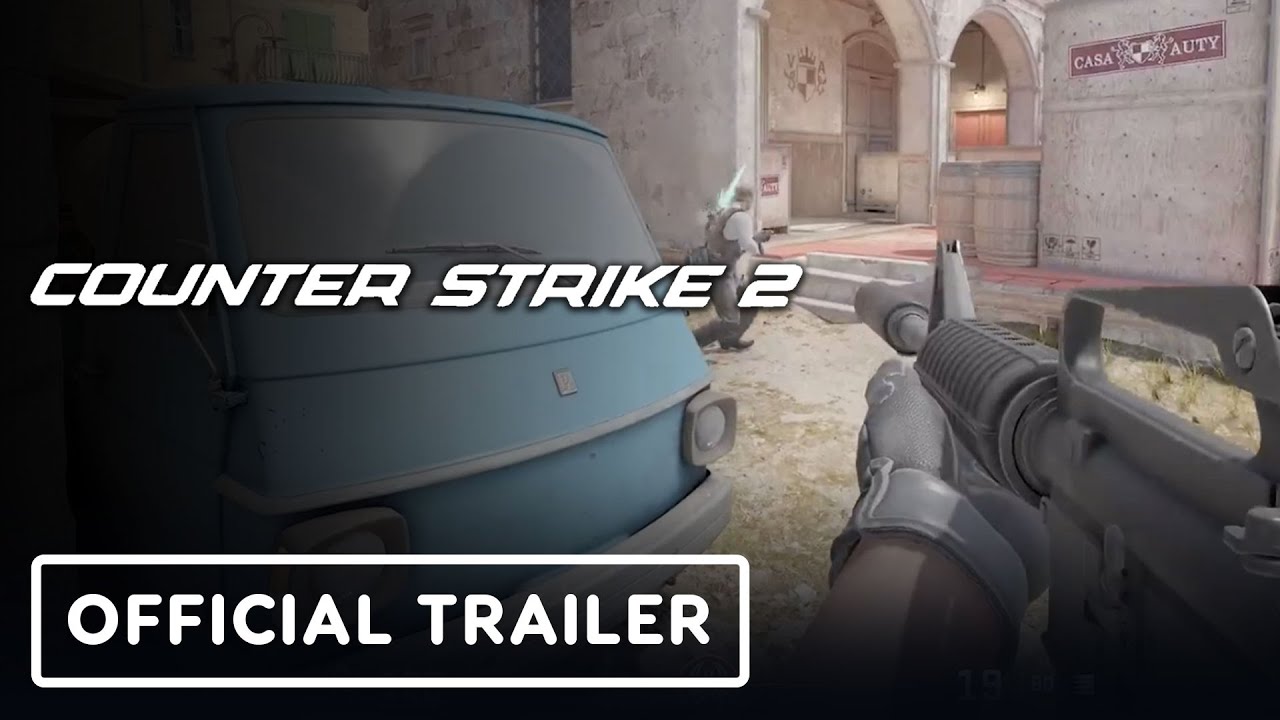
New York Attorney General Letitia James sued Valve Corporation back in February 2026, arguing that the loot box mechanics in Counter-Strike 2 constitute illegal gambling under New York law. This week, Valve filed a 42-page motion to dismiss – and their defense is equal parts legally strategic and genuinely unhinged.
According to Valve’s lawyers, CS2 weapon cases are essentially the same as Happy Meal toys, packs of baseball cards, Pokemon cards, Magic: The Gathering boosters, LEGO blind bags, and cereal box prizes. All of these involve paying money for a randomized item of uncertain value. “People enjoy surprises,” the filing reportedly states, and applying the AG’s logic would “nonsensically” bring all of those products under gambling law too.
What New York Is Actually Arguing
The New York AG’s complaint isn’t purely about the surprise element – it’s about the fact that CS2 weapon skins have real monetary value and can be sold on Steam’s community marketplace. Players spend $2.49 on a digital key, open a weapon case, and receive a randomly assigned cosmetic skin. Most are worth less than the key. Some are worth thousands. At least one has reportedly sold for over $1 million.
That secondary market is the crux of the case. The AG’s position is that because the skins can be converted into real money, the act of opening a case involves a genuine financial stake – and therefore constitutes gambling. The visual presentation doesn’t help Valve’s case: the case-opening animation uses a spinning wheel that lands on an item, which is about as slot-machine-adjacent as you can get without calling it a slot machine.
The lawsuit seeks to force Valve to stop implementing loot box mechanics in its games going forward, plus a fine equal to three times the amount earned from the “illegal practices.”
Valve’s Counter-Arguments
Valve’s motion to dismiss centers on several key arguments. First, that every player “always receives exactly what they paid for, one skin per mystery box” – there’s no risk of walking away with nothing, only uncertainty about which skin you get. Second, that the skins have no in-game functional advantage (they’re purely cosmetic). Third, that drawing a legal line at CS2 cases while exempting Happy Meals and baseball cards would be arbitrary and legally inconsistent.
Valve also stated directly that it “refuse[s] to do that” – meaning changing its loot box systems. The company has made billions from CS2’s case economy over the years, and the wording suggests they have no intention of settling quietly.
The Bigger Picture
This case is part of a years-long global reckoning with loot box mechanics. Belgium and the Netherlands effectively banned randomized paid loot boxes in 2018, treating them as gambling. The UK, EU, and Australia have all seen ongoing legislative debates on the topic. The US has largely avoided federal regulation, but New York’s lawsuit – if it succeeds – could set a significant state-level precedent.
The court has not yet scheduled a ruling on Valve’s motion to dismiss. If the motion fails, the case moves forward to full litigation – and Valve would have to defend its practices in much greater depth. If it succeeds, the NY AG would likely appeal.
Either way, “people enjoy surprises” is going to be a deeply funny line to quote in legal textbooks for years to come.