GameStop trying to buy eBay for $56 billion sounds like a punchline. eBay’s board apparently agreed – rejecting the offer this week as “neither credible nor attractive.” But the story of how we got here is genuinely wild, and it is not entirely over.
The Offer
On May 4, 2026, GameStop formally proposed to acquire eBay at $125.00 per share – a total deal value of roughly $56 billion in cash and stock. The offer represented a 46% premium to eBay’s closing price on February 4, the day GameStop quietly began accumulating its position in the company.
GameStop CEO Ryan Cohen laid out his vision: use the company’s 1,600 US retail stores as authentication and fulfillment hubs for eBay orders, and make GameStop a “legitimate competitor” to Amazon. The pitch was that GameStop’s physical retail footprint – which most observers had written off as a liability – could actually become the backbone of a serious e-commerce operation.
The Rejection
eBay’s board was not convinced. On May 12, 2026, the board formally rejected the bid, calling it “neither credible nor attractive.” The board cited three main concerns: uncertainty around GameStop’s financing plan, significant operational risks, and what it politely described as issues with GameStop’s governance.
The financing question is a real one. Cohen said GameStop had secured a $20 billion commitment from TD Securities, and the company holds roughly $9 billion in cash. The math does not quite get there for a $56 billion deal. Moody’s Ratings weighed in as well, calling the proposed acquisition “credit negative” for eBay given the substantial increase in debt that the deal structure would require.
This Might Not Be Over
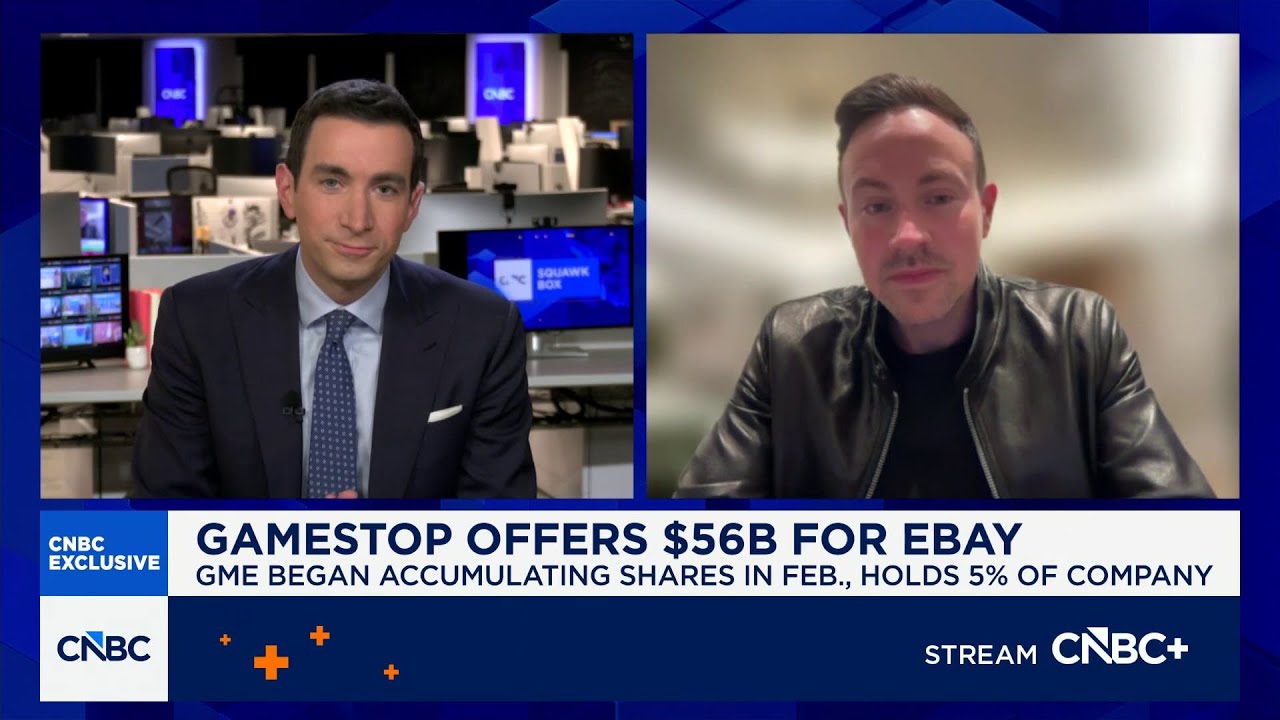
In his combative CNBC interview following the initial announcement, Ryan Cohen suggested he was willing to take the offer directly to eBay shareholders if the board refused – a hostile takeover attempt. Whether GameStop actually pursues that path remains to be seen, but Cohen has a history of making unusual moves and following through on them.
For context: Cohen turned GameStop from a dying retail chain into a meme stock phenomenon, used that capital to transform it into a broader collectibles and secondhand goods business, and now appears to have serious ambitions in e-commerce. Whether the eBay bid is a genuine long-term strategy or a high-stakes negotiating move is still an open question.
Why This Matters for Gamers
GameStop remains one of the largest physical game retailers in the United States. If Cohen does pivot the company hard toward e-commerce – with or without eBay – it could reshape what GameStop looks like for the millions of customers who still use it to buy, sell, and trade games. The brand built on used game sales and midnight launches is quietly becoming something much stranger.